Batch codes, PAO and shelf life: what to check the day a delivery lands
Ten minutes at the receiving door prevents the two problems that cost independents the most money.
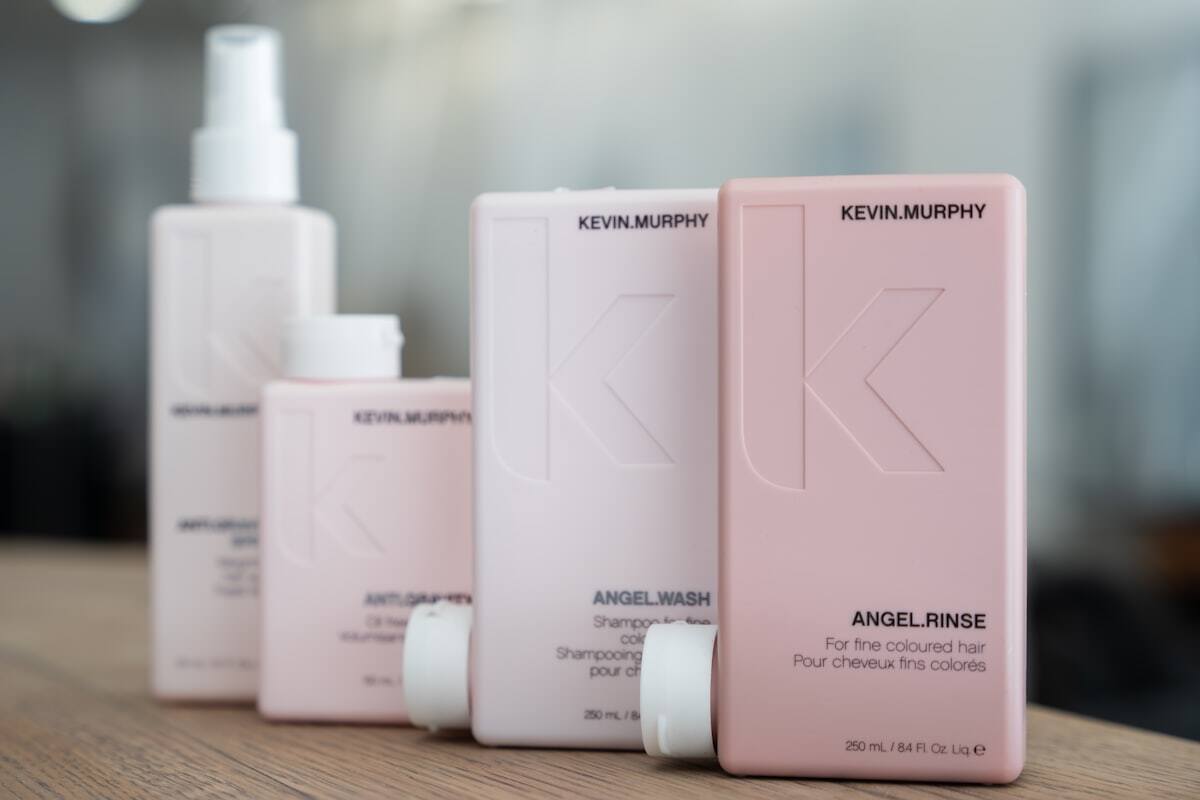
Two things go wrong with cosmetic deliveries, and both are cheap to prevent and expensive to discover late. The first is stock that ages out on your shelf. The second is a damage or shortage claim you can no longer make because the carrier paperwork was signed clean.
Neither requires a system. Both require ten minutes at the receiving door and a habit that survives a busy Friday.
The ten-minute routine
- Count the cartons against the delivery note before you sign anything.
- Walk around the pallet or stack and look at every visible face for crushing, tears or leakage.
- Write any damage or shortage on the carrier's paperwork at the point of delivery, then photograph the note and the goods.
- Open one carton per SKU and check the batch code and any date marking against the packing list.
- Put the delivery away FEFO — first expiring, first out — not first-in-first-out.
Step three is the one people skip, and it is the one that decides whether a claim is payable. A clean signature is a statement that the goods arrived intact. Carriers know this; so do insurers.
Batch and lot codes
Every unit of cosmetic product carries a batch or lot code, usually ink-jetted onto the base, the crimp of a tube, or the shoulder of a bottle. It identifies the production run. It is the thread that connects the unit on your shelf to a manufacturing date, a raw-material lot and, if it ever comes to it, a recall notice.
Three things to know:
- A missing or removed code is a red flag. Codes get scrubbed, sanded or over-labelled when someone wants to break the trail between a market and a product. Legitimate stock does not arrive with the code removed.
- Codes are proprietary. Each manufacturer encodes dates differently, and no universal decoder exists. If you need a manufacture date, ask your distributor — we keep purchase invoices and lot records for every line we carry and will send them for any SKU.
- Record the code on the receipt line for high-value SKUs. If a customer ever raises a reaction complaint, the first question you will be asked is which batch.
PAO versus best-before
Two different markings, routinely confused:
| Marking | Looks like | Means |
|---|---|---|
| PAO (period after opening) | An open jar symbol with “12M”, “24M” | Months of safe use after the customer opens it. The clock starts at first use, not at manufacture. |
| Best-before / expiry | An hourglass symbol or a printed date | A fixed date after which the manufacturer no longer stands behind the product, sealed or not. |
Products with a demonstrable stability of over thirty months often carry a PAO and no expiry date at all — that is normal and not a defect. What matters commercially is the unopened shelf life you can reasonably expect, which is where your distributor should be explicit rather than vague.
Short-dated stock: price it, do not hide it
Short-dated stock is not a problem as long as everyone knows it is short-dated at the moment of purchase. Our own rule is that anything inside six months of its date is flagged on the pricelist and offered at a lower tier, sold as final sale. That way a buyer can decide whether the discount is worth the turn rate on their shelf — a busy grocery aisle usually says yes, a slow salon wall usually says no.
What you should never accept is short-dated stock arriving quietly at full price. If a supplier will not tell you the dating before you order, assume there is a reason.
FEFO, not FIFO
First-in-first-out fails whenever a later delivery has an earlier date — which happens all the time when a manufacturer clears an older run. Rotate on first expiring, first out. In practice, that means the person putting stock away has to look at the date on the new case rather than assuming it is younger than what is already there.
Set the pick face so the earliest date is nearest the hand, and check the back of the shelf monthly. Ten minutes with a torch on the bottom shelf finds more money than most promotions do.
What to keep, and for how long
- Delivery notes and carrier paperwork with your annotations — keep with the invoice.
- Photographs of any damage — outer carton, inner packing, affected units. Take them before anything is moved.
- Purchase invoices — seven years, for tax purposes; they are also your proof of legitimate sourcing.
- Batch codes for high-value or professional-use SKUs — a line in your goods-in book is enough.
Claim windows are short by design. Ours is seven days from delivery with photographs, which is standard for the sector — long enough for a real check, short enough that the evidence still means something. Put the check in the receiving routine and you never have to think about the window again.
Key takeaways
- Count cartons and note damage on the carrier's paperwork before signing. A clean signature ends the claim.
- A missing or scrubbed batch code is a sourcing red flag, not a printing error.
- PAO starts when the customer opens the product; a best-before date runs regardless.
- Short-dated stock is fine when it is flagged and priced. It is never fine when it is quiet.
- Rotate FEFO, not FIFO — a newer delivery can carry an older date.
- Keep invoices seven years and photographs from the moment of delivery.